
Changing Jobs in Japan on SSW: What Your Visa Actually Requires
Your SSW visa is tied to a named employer. Changing jobs always means a status of residence application, and the rules differ sharply depending on whether you stay in the same field.
Information only, not legal advice. Verify with the DMW and the Embassy of Japan before you act.
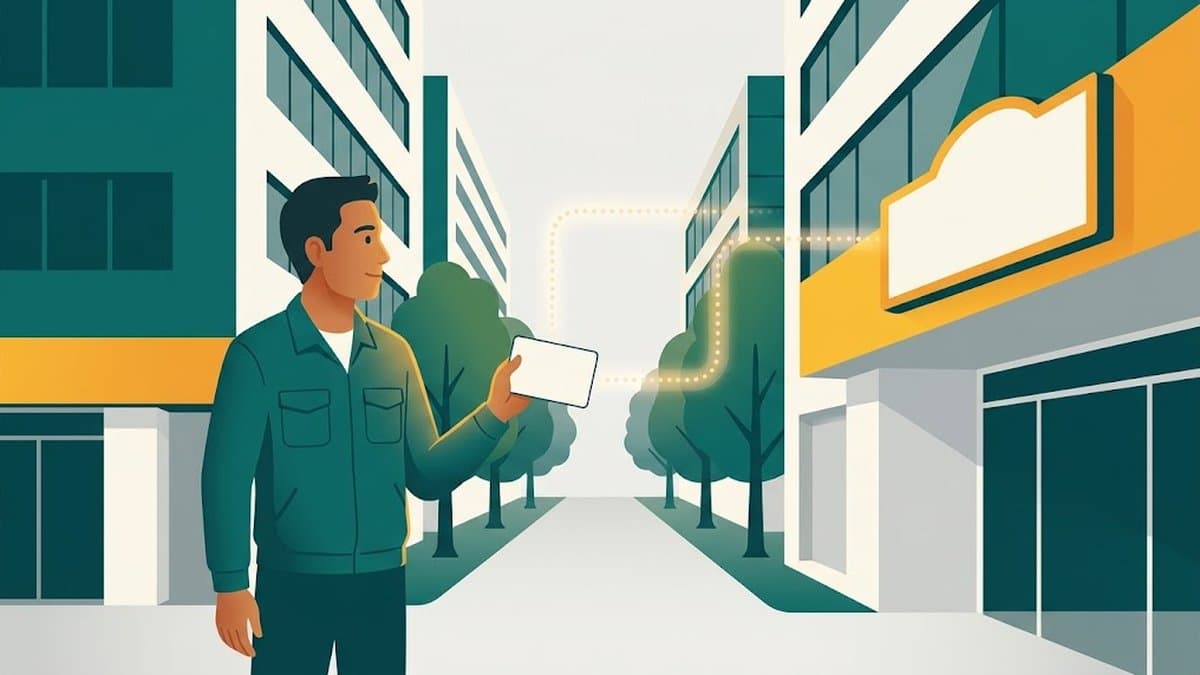
Key Takeaways
- Your SSW visa is not a general work permit. The document attached to it names your specific employer, and changing jobs always requires a change of status of residence application, even within the same field.
- Staying in the same field is easiest: you can move within the same task category, or to a related one where a test has confirmed the skill overlap.
- Moving to a different field means passing that field's own skill test first, unless a specific exemption applies to you.
- You cannot legally start working for the new employer until the application is approved. Starting early risks your status and the new employer's ability to hire foreign workers at all.
- If you file before your current period of stay expires, a special period lets you keep your previous status while you wait, but only if you still have a previous job to fall back on.
Why this is not a simple resignation
If you worked a regular job back home, quitting and starting somewhere else the next Monday was your own business. SSW does not work that way. The document attached to your residence card, called your designation (shiteisho), names the company you work for and the field and task you are approved to do. Working outside that scope, even for a company that seems similar, is outside what your visa permits.
This is why "changing jobs" for an SSW worker is really "changing your status of residence." The company name on file has to match the company you are actually working for, and that only happens after Immigration approves the change.
The rule that applies no matter what: you need a new application
Whether you are moving to a competitor in the exact same line of work or switching fields entirely, the starting point is the same. You file a change of status of residence application (zairyu shikaku henko kyoka shinsei) at the regional immigration office covering your address. There is no shortcut that skips this step. There is also no fixed number of days within which you personally must file it, though your new employer's paperwork has its own 14-day deadline once your new contract is signed, described further down.
Staying in the same field: what actually counts as "the same"
Japan's basic policy on SSW allows a transfer within the same task category, or to a different task category within the same field where testing has already confirmed that the skills overlap. In practice, this means checking your new job description against the task categories your field's ministry defines, not against a job title. Two roles that sound different in English can fall in the same category, and two that sound similar can fall in different ones.
If you are unsure which category your new role falls under, our guide on SSW requirements for Filipino workers explains how fields and task categories are structured, and what test each one uses.
Crossing into a different field: the skill test comes first
Moving into a field outside the one your current visa covers is a bigger step. You will generally need to pass that field's own skill test before Immigration will approve the change, the same test a first-time SSW applicant from the Philippines would take. There is one notable exception. Workers who completed Technical Intern Training (TITP) No. 2 in good standing can sometimes move into the related SSW field without retaking the skill test. The exact conditions depend on how closely your training matched the new field.
If you are already on SSW (i) and the field you are moving into has an SSW (ii) track, or if your existing field itself has an SSW (ii) option, that is a related but separate question from changing employers. We cover what SSW (ii) means and who currently qualifies in a dedicated guide, since the two questions get confused often but call for different paperwork.
What happens to your status while the application is pending
You cannot start the new job before approval. Your visa authorizes you to work for the employer named on your designation. Starting at a new company before that name changes puts you in the position of working outside what your status permits, and it exposes the new employer to a charge of illegally employing a foreign national. Employers who understand SSW will not let you start before your new residence card is issued, and one who offers to let you start "informally" first is a warning sign, not a favor.
Timing your resignation matters. If your period of stay is close to expiring when you file the change application, a special period (tokurei kikan) protects you. You can keep living in Japan under your previous status and keep doing your previous work until Immigration decides, or until two months after your old period of stay would have ended, whichever comes first. The protection covers continuing your previous activity, so it works best if you have not yet quit your old job when you file. If you resign first and only then start the paperwork, you may have no previous job left to fall back on while you wait.
The safest order is: line up the new job and confirm the field and task match, file the change of status application with your new employer's contract attached, and only resign from your current job once the timing with your current employer allows it. Talk to your current and prospective employers openly about the gap, since a well-run company has handled this before.
If your contract ends before you have a new job lined up
Sometimes the choice is not yours. A company closes, a contract is not renewed, or conditions become unsafe. If your SSW (i) contract ends through no fault of your own, your registered support organization or employer is required to help you find a new position in the same field. We cover the full list of what a registered support organization owes you, including this job-search support, in our guide to registered support organizations.
Separately, once your employer's side of the contract change happens, they are required to file their own notification (the specified skilled worker employment contract notification) within 14 days of the contract ending or a new one starting. This is their paperwork, not yours, but knowing it exists helps you ask the right question if your former employer goes quiet.
Other visas: a shorter path for some, a full change for most
If you hold an Engineer/Specialist in Humanities/International Services visa or another ordinary work visa rather than SSW, the rules are looser in one respect: these visas are tied to a type of work, not to a named company the way SSW is. Changing employers within the same broad category of work does not always require a fresh application before you start. You are still required to notify Immigration of the change through the standard notification process. And if the new job's actual duties differ meaningfully from what your visa authorizes, a change of status application becomes necessary just as it would for SSW. If you are unsure which situation applies to you, bring the question to a bilingual gyoseishoshi before you resign, not after.
The paperwork you will be asked for
- Application form and a photo
- Passport and residence card
- Your new employer's specified skilled worker employment contract, along with the pre-employment guidance and support plan documents required for SSW (i) workers
- Proof that the new job matches your field and task category, or your skill test pass certificate if you tested into a new field
- A written statement explaining the reason for the change, in your own words
Processing time is not fixed and depends on your case and the immigration office. Build in a buffer rather than assuming a quick turnaround, especially if you are also timing a resignation around it.
Sources
- Immigration Services Agency of Japan: Status of Residence "Specified Skilled Worker"
- Immigration Services Agency of Japan: Q&A on the Specified Skilled Worker system
- Immigration Services Agency of Japan: Notification by a specified skilled worker receiving institution regarding a specified skilled worker employment contract
- Immigration Services Agency of Japan: About the special period (tokurei kikan)
- Hanapon: /routes, our SSW requirements guide, /find-help
About this guide
Free, honest guide to working and studying in Japan
- ●Every rule is checked against DMW and Immigration Services Agency sources
- ●Written in plain English, with Tagalog where it matters
- ●No job ads, no referrals, no fees from agencies
- ●Corrections welcome through the contact form
Hanapon is run from Manila by a Japanese engineer who reads the Japanese-language rules directly and checks them against what agencies tell applicants here. If something on this page is out of date, tell us and we will fix it.
Before you pay anyone, check the license.
Free, one minute, and it is the single step that stops most scams.
Related Articles

Certificate of Eligibility for a Japan Dependent Visa (2026)
How a Filipino in Japan brings a spouse and children on the Dependent visa: who can sponsor, the free COE (1–3 months), TB screening and the Visa Center.
10/22/2026
Driving in Japan With a Philippine License: IDP or Full Conversion?
A Philippine license alone does not let you drive in Japan. You need an international permit for a short stay, or a full conversion if you live here — and conversion got harder in October 2025.
9/21/2026

Permanent Residency in Japan: Requirements for SSW and TITP Workers
Permanent residency in Japan needs 10 years total, but SSW (i) and TITP years don't count toward the 5-year work-status part. Here is what actually counts, and what is about to change.
9/18/2026
Japan Pension Refund: How to Claim the Lump-sum Withdrawal Payment
Left Japan after paying into the pension for 6 months or more? You can claim part of it back, but only within 2 years. Here are the conditions, the documents, the amount, and the mistakes that delay the money.
9/13/2026

Registered Support Organizations in Japan: What They Must Do for You (and Must Never Charge)
SSW (i) workers get support from their employer or a registered support organization. Here is what they owe you, the 3-month check-in, and why support is free.
9/10/2026